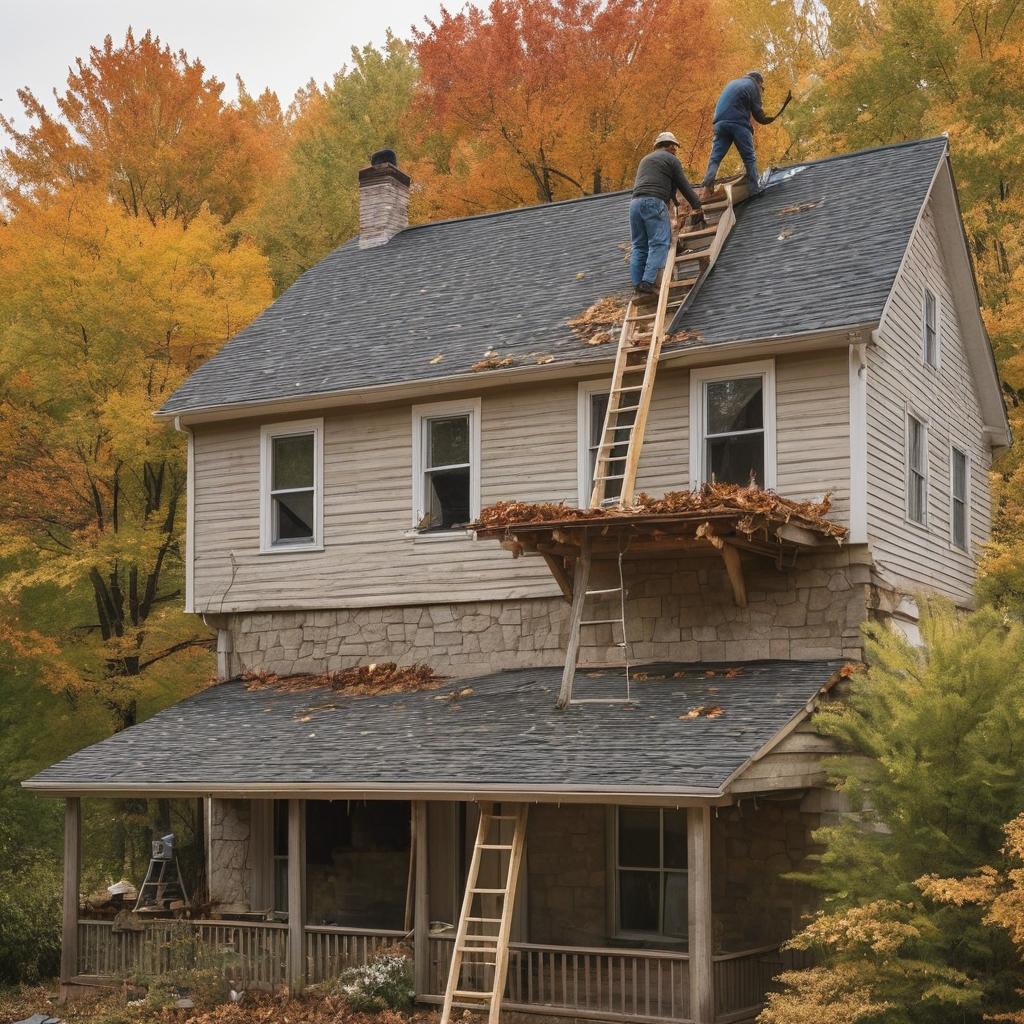
DIY disasters that could cripple your coverage
Risking It All: DIY Disasters That Could Cripple Your Coverage
As homeowners, we often take pride in our ability to tackle projects on our own, without the need for professional help. Whether it’s painting the walls, fixing a leaky faucet, or installing new flooring, DIY home improvements can be a cost-effective and rewarding way to enhance our living spaces. However, there is a fine line between a successful DIY project and one that could potentially void your homeowners insurance policy.
In this article, we will explore some common DIY projects that could put your coverage at risk if not done correctly. From electrical work to plumbing repairs, we’ll examine the potential hazards associated with each project and provide guidance on how to avoid them.
Electrical Work: A Shocking Reality
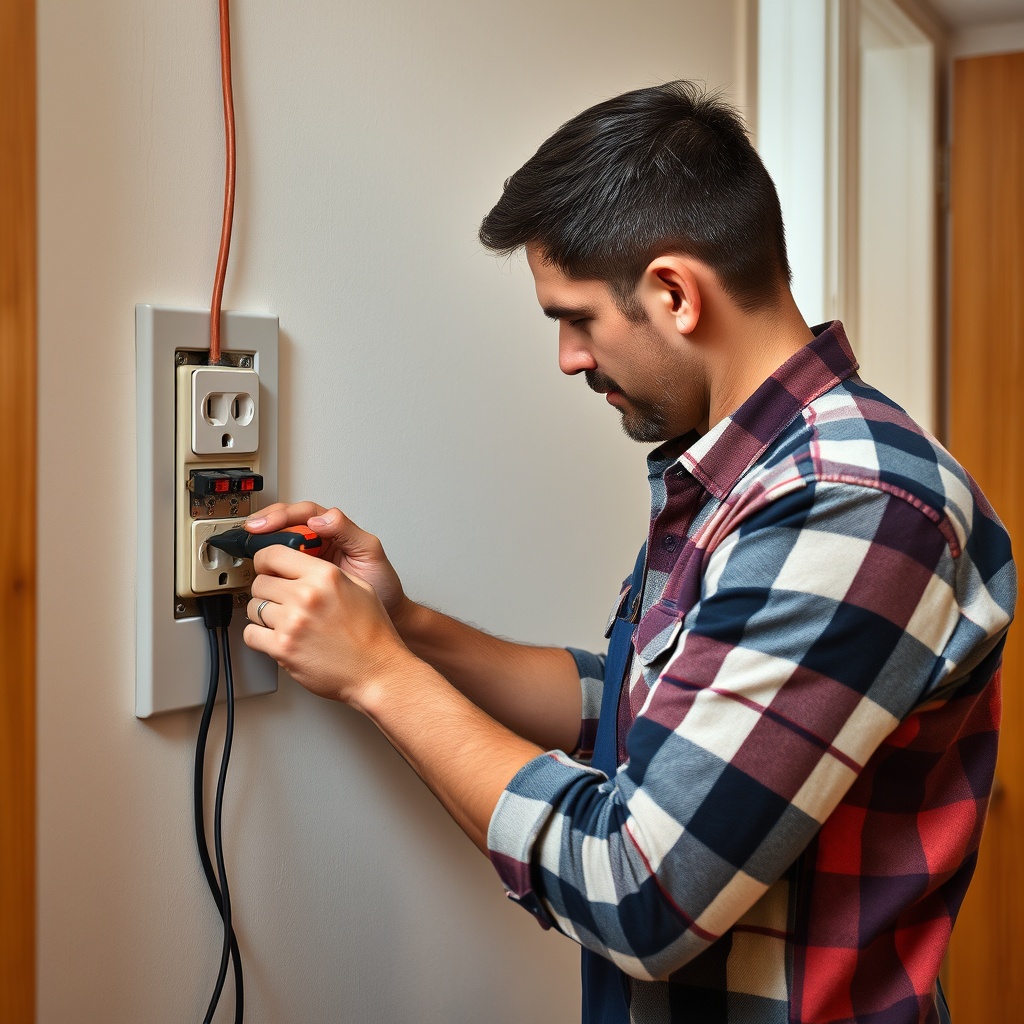
One of the most critical aspects of any home is its electrical system. However, DIY electrical projects can be particularly hazardous, especially if you’re not familiar with the relevant codes and safety protocols. One such project that could void your insurance policy is installing new lighting fixtures or outlets.
According to the National Fire Protection Association (NFPA), electrical fires are a leading cause of home fires in the United States, resulting in over 50,000 injuries and $1 billion in property damage each year. When it comes to DIY electrical work, the risks are even greater, as improper installation can lead to shock, electrocution, or even a house fire.
To avoid voiding your insurance policy, it’s essential to exercise extreme caution when tackling electrical projects. This includes:
- Ensuring you have the necessary skills and knowledge to complete the project safely
- Following all relevant electrical codes and safety protocols
- Using only high-quality materials and equipment
- Avoiding overloading circuits or using outdated wiring
Plumbing Repairs: A Leaky Nightmare
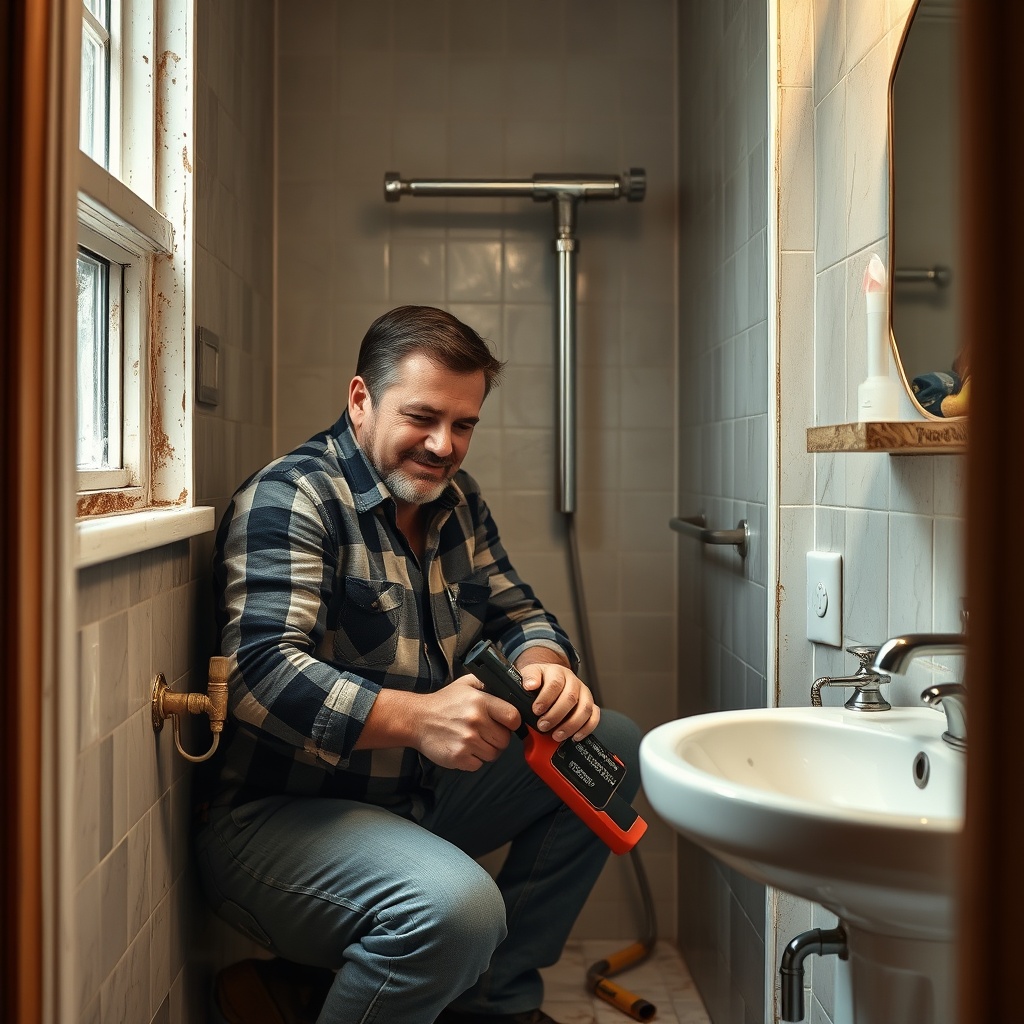
Another critical aspect of any home is its plumbing system. However, DIY plumbing projects can be just as hazardous as electrical work, especially if you’re not familiar with the relevant codes and safety protocols. One such project that could void your insurance policy is installing new water heaters or repairing burst pipes.
According to the Insurance Information Institute (III), water damage is one of the most common causes of homeowners insurance claims, resulting in over $10 billion in losses each year. When it comes to DIY plumbing work, the risks are even greater, as improper installation can lead to costly repairs, property damage, or even a house fire.
To avoid voiding your insurance policy, it’s essential to exercise extreme caution when tackling plumbing projects. This includes:
- Ensuring you have the necessary skills and knowledge to complete the project safely
- Following all relevant plumbing codes and safety protocols
- Using only high-quality materials and equipment
- Avoiding overpressurizing pipes or using outdated fixtures
Roofing Repairs: A Slippery Slope
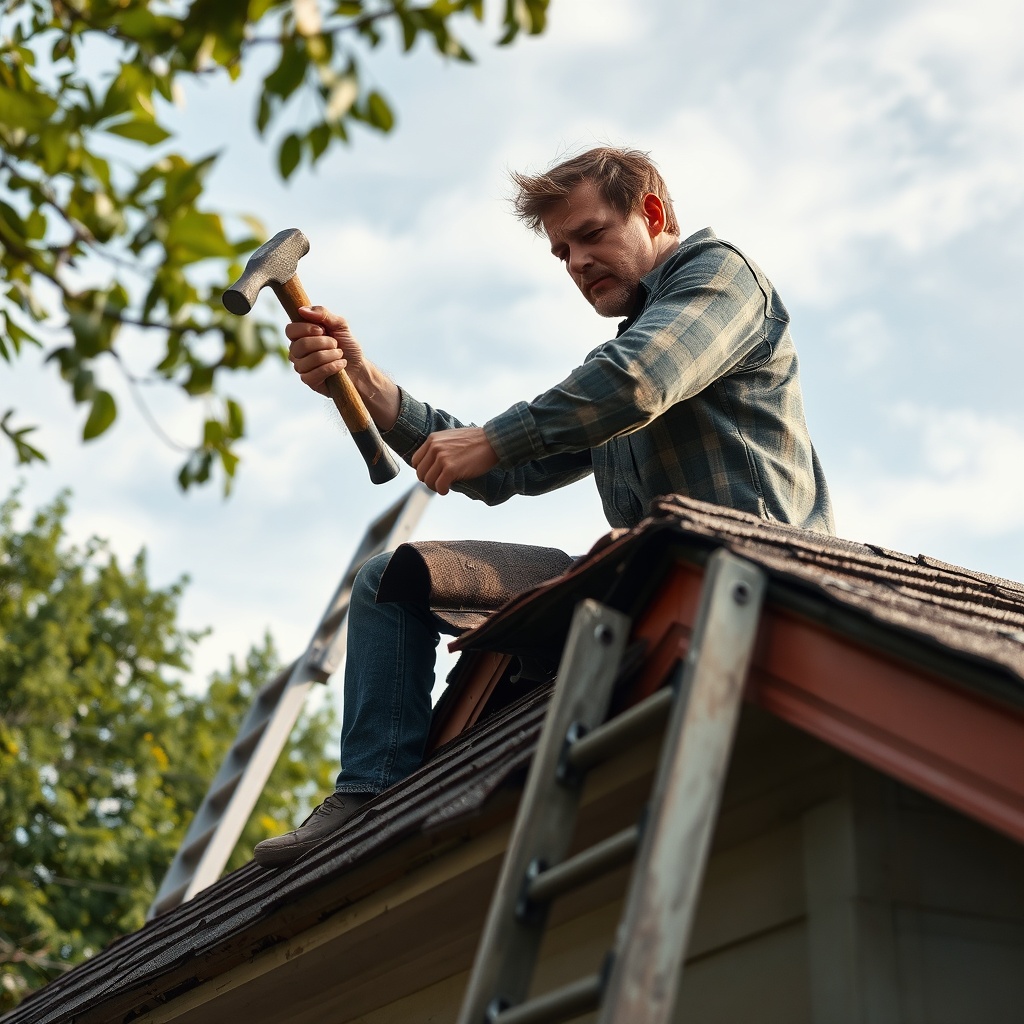
Another critical aspect of any home is its roof. However, DIY roofing projects can be particularly hazardous, especially if you’re not familiar with the relevant codes and safety protocols. One such project that could void your insurance policy is repairing damaged shingles or installing new flashing.
According to the III, roof damage is one of the most common causes of homeowners insurance claims, resulting in over $5 billion in losses each year. When it comes to DIY roofing work, the risks are even greater, as improper installation can lead to costly repairs, property damage, or even a house collapse.
To avoid voiding your insurance policy, it’s essential to exercise extreme caution when tackling roofing projects. This includes:
- Ensuring you have the necessary skills and knowledge to complete the project safely
- Following all relevant roofing codes and safety protocols
- Using only high-quality materials and equipment
- Avoiding overloading the roof or using outdated fixtures
The Impact of DIY Disasters on Your Coverage
As we’ve seen, DIY home improvements can be a cost-effective way to enhance our living spaces. However, if not done correctly, these projects can put your homeowners insurance policy at risk. The consequences of a DIY disaster can be severe, including:
- Increased premiums: If you’re involved in a DIY project that results in damage or property loss, your insurance company may increase your premiums as a result.
- Canceled coverage: In extreme cases, a DIY disaster can lead to canceled coverage, leaving you vulnerable to financial ruin.
- Financial losses: The costs associated with repairing or replacing damaged property can be substantial, especially if you’re not covered by insurance.
In conclusion, while DIY home improvements can be a cost-effective way to enhance our living spaces, they also come with significant risks. To avoid voiding your homeowners insurance policy, it’s essential to exercise extreme caution when tackling any project, regardless of its complexity. By following all relevant codes and safety protocols, using only high-quality materials and equipment, and avoiding overloading circuits or using outdated fixtures, you can minimize the risk of a DIY disaster.
In the end, the decision to take on a DIY project is a personal one. However, by being aware of the potential hazards associated with each project and taking steps to mitigate them, you can enjoy the benefits of DIY home improvements while protecting your coverage and financial security.

George Rodriguez
October 6, 2024 at 2:51 pm
As I’m reading about the risks associated with DIY home improvements, I couldn’t help but think about the Frontier Flight that caught fire during a hard landing at Harry Reid International Airport in Las Vegas today. It just goes to show how important it is to exercise caution and follow safety protocols when taking on any project, whether it’s repairing a roof or installing new lighting fixtures. While DIY projects can be a cost-effective way to enhance our living spaces, the potential consequences of a mistake are too great to ignore. What if we applied the same level of caution to our daily lives as we do to these high-stakes DIY projects? Could we potentially avoid the catastrophic failures that often result from human error and instead create a world where disasters like the one in Las Vegas today become a rarity?
Amara
October 16, 2024 at 11:05 am
George, I couldn’t agree more with your comment. The recent news of Paul Lowe’s tragic murder on a hiking trail in California is a stark reminder of the dangers that can lurk around every corner when we take unnecessary risks. It’s a sobering thought to consider that the same level of caution and attention to detail that we should be applying to our DIY projects could potentially save lives in other areas of our lives as well. Your question about whether we could avoid catastrophic failures by exercising greater caution is a valid one, and it’s something that I think warrants further exploration. In any case, let’s hope that the tragedy in Las Vegas today will serve as a wake-up call for all of us to be more mindful and vigilant in our daily lives, whether we’re tackling DIY projects or simply navigating the challenges of everyday life.
River
November 15, 2024 at 7:34 pm
Amara, I couldn’t agree more with your poignant reflection on Paul Lowe’s tragic murder and the senseless loss of life in Las Vegas today. The chaos that unfolded at the Nations League match between England and Greece is a stark reminder that even in our own backyard, disaster can strike when we least expect it. As you said, exercising greater caution and attention to detail in our DIY projects could indeed save lives in other areas of our lives as well. Your thoughtful commentary has touched on something fundamental: the human capacity for resilience and adaptability in the face of uncertainty. I believe that acknowledging the interplay between risk management, situational awareness, and personal responsibility is essential for promoting a culture of safety and responsible decision-making.
Makenzie
January 13, 2025 at 4:29 am
Louis, it seems you’re more concerned with tearing others down than actually contributing to the conversation. I’d love to ask you directly, Louis, what makes you think you’re so qualified to educate everyone else on this topic?”
I’m a 35-year-old DIY enthusiast with over a decade of experience in electrical work and home repairs. I’ve written extensively on the importance of safety protocols and have even taught workshops on the subject.
Cora
April 2, 2025 at 4:20 am
Makenzie, sweet summer DIYer, if thinking I’m “tearing others down” is your takeaway, maybe you’ve been wiring your own brain circuits too. ? Today’s measles horror show (hello, organ failure party!) proves cutting corners kills—just like your argument. I’ve spent 20 years watching “qualified” folks turn houses into fire hazards while preaching “safety.” Sorry if my “contributions” sting worse than that measles rash—but hey, at least I’m not out here pretending a workshop certificate makes me the Messiah of Miter Saws. Stay sparky, my friend. ?
Jackson
April 5, 2025 at 4:33 pm
I completely understand where Jude is coming from – it’s true that with proper research and preparation, many DIY projects can be completed safely. In fact, I think this mindset can also apply to our nation’s approach to crisis management, as seen in Starmer’s response to Trump tariffs where he aims to both slow down and go faster.
However, I also appreciate Jesus’ point about the importance of taking bold risks during times of crisis. It’s interesting to note that while Ukraine’s new leadership may be willing to make life-or-death decisions, we can’t help but wonder if there’s a balance between being cautious and making tough choices.
In Whitehall, it would be intriguing to see how policymakers navigate this delicate balance, perhaps by exploring opportunities for trade deals with the US or implementing measures to limit the harm caused by these tariffs. As I’m sure David Pannell, the author of ‘DIY disasters that could cripple your coverage’, would agree, finding the right approach can make all the difference.
Paris Gordon
April 7, 2025 at 5:10 am
I’m still reeling from the sheer audacity of the points raised by Cora and Makenzie – I mean, who wouldn’t be amazed by the unwavering dedication to safety protocols? As someone who’s dabbled in DIY projects and has a basic understanding of home insurance, I’m left wondering if I’m inadvertently putting myself and others at risk with my amateurish endeavors. Louis, the author, seems to be on a mission to alarm us with tales of DIY disasters, but I’m not convinced he’s offering much in the way of constructive advice. Cora’s warnings about safety are certainly making me think twice about my own projects, but Makenzie’s got a point about Louis’ tone coming across as more critical than helpful. Can someone who’s actually an expert in the field (not just a workshop certificate holder like me) chime in and offer some balanced guidance on how to DIY safely?